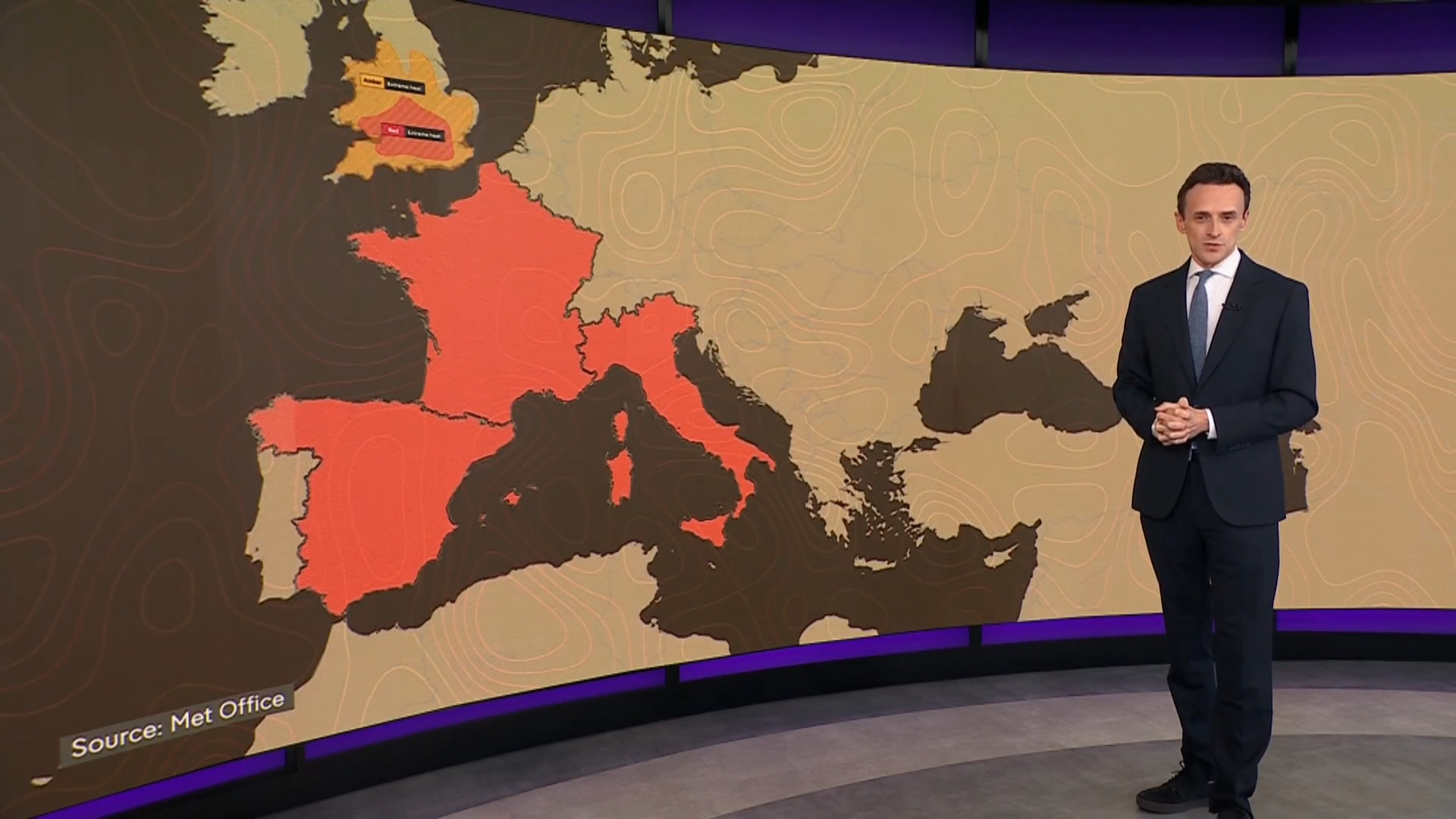
When the mercury hits 40°C, more than 100,000 pupils can find their school suddenly shut for the day. In June 2026, a red heat warning from the Met Office forced hundreds of schools across England and Wales to close or send children home early, with temperatures forecast to reach 40C and possibly break the UK record of 40.3C set in Coningsby, Lincolnshire, in July 2022.
School closures during a heatwave happen because there is no legal maximum temperature for classrooms in the UK. Each school makes its own decision based on the safety of pupils and staff. The government generally advises that children are better off in school and recommends managing the heat by avoiding vigorous physical activity, maximising shade, ventilation and hydration, and encouraging loose, light-coloured clothing, hats and sun cream outdoors. But when a red warning is issued, many schools choose to close fully or partially, move lessons online, or shorten the school day.
“Why UK schools close in heatwaves, what parents can do, and the rules explained.”
This isn't a new problem. The UK has experienced increasing frequency of extreme heat events linked to climate change. During the record-breaking July 2022 heatwave, schools also closed. Experts warn that heatwaves will happen more often and bring even higher temperatures “as long as emissions continue”. The June 2026 event saw more than 300 schools across England and Wales close, affecting over 100,000 pupils, with the Met Office flagging 39C as a headline maximum on Thursday, most likely in London or the South East.
For UK parents, sudden school closures create practical problems. Working parents are entitled to up to four weeks of unpaid parental leave each year, which can be used in such emergencies. But there is no automatic right to paid time off. Schools are expected to safeguard students and make their own decisions, as there is no legal temperature limit for classrooms. The Welsh Government has written to education directors to reinforce its guidance that every school should have contingency plans for extreme weather, including recognising signs of heat exhaustion and heat stroke, which should be treated as an emergency.
Q: Can I refuse to send my child to school during a heatwave? No, not unless the school is officially closed. If the school remains open, parents are expected to send their children. You can be fined for unauthorised absence. However, if you are concerned about your child's safety, you should raise this with the school or local authority.
Q: What is the legal maximum temperature for classrooms in the UK? There is no legal maximum temperature. The Health and Safety Executive recommends that workplace temperatures should be “reasonable”, but schools are not subject to a specific maximum. Decisions about closures are left to individual schools based on risk assessments.
Q: How do I know if my child's school is closed because of heat? Check your school's website, social media or local authority page. During the June 2026 heatwave, local news published lists of closures by county, such as Devon, Oxfordshire, Berkshire, Buckinghamshire, Hampshire, Bristol and London. Schools should also contact parents directly.
What happens next will depend on how often such extreme heat events occur. The Met Office continues to issue warnings, and scientists expect more frequent and intense heatwaves as the climate warms. Education authorities may need to review guidance on school closures and consider whether a standard approach—such as a national maximum temperature threshold—would help parents and schools plan in advance. For now, decisions remain local, and parents should stay alert to weather alerts and school communications.