A toothpaste tube shooting toothpaste into another’s mouth – two figures brushing teeth before bed. David Hockney’s Cleaning Teeth, Early Evening (10pm) W11, painted in 1962, is innocent enough at first glance. But for those “in the know”, the suggestive positioning of two red Colgate tubes spraying into each other’s mouths left little to the imagination. It was a campy, coded celebration of queer desire, deployed long before male homosexuality was partially decriminalised in England and Wales.
The same year, Hockney had already painted We Two Boys Together Clinging, one of the earliest expressions of queer identity in British art. The childlike painting shows two figures embracing – perhaps kissing – with the title taken from a Walt Whitman poem long cherished by gay readers. The reference was obscure enough to dodge censorship laws at the time.
“Tate director Alex Farquharson hails Hockney's 'love of life' as Yahoo article explores his coded queer art.”
Now, six decades after A Bigger Splash – Hockney’s most famous work, capturing the moment after a diver hits a cyan blue pool – reproductions of that painting have become a visual motif in gay domestic life. Framed posters, prints and postcards appear in countless gay households. One fan bought a cushion cover after seeing the original at Hockney’s 2017 Tate Britain retrospective.
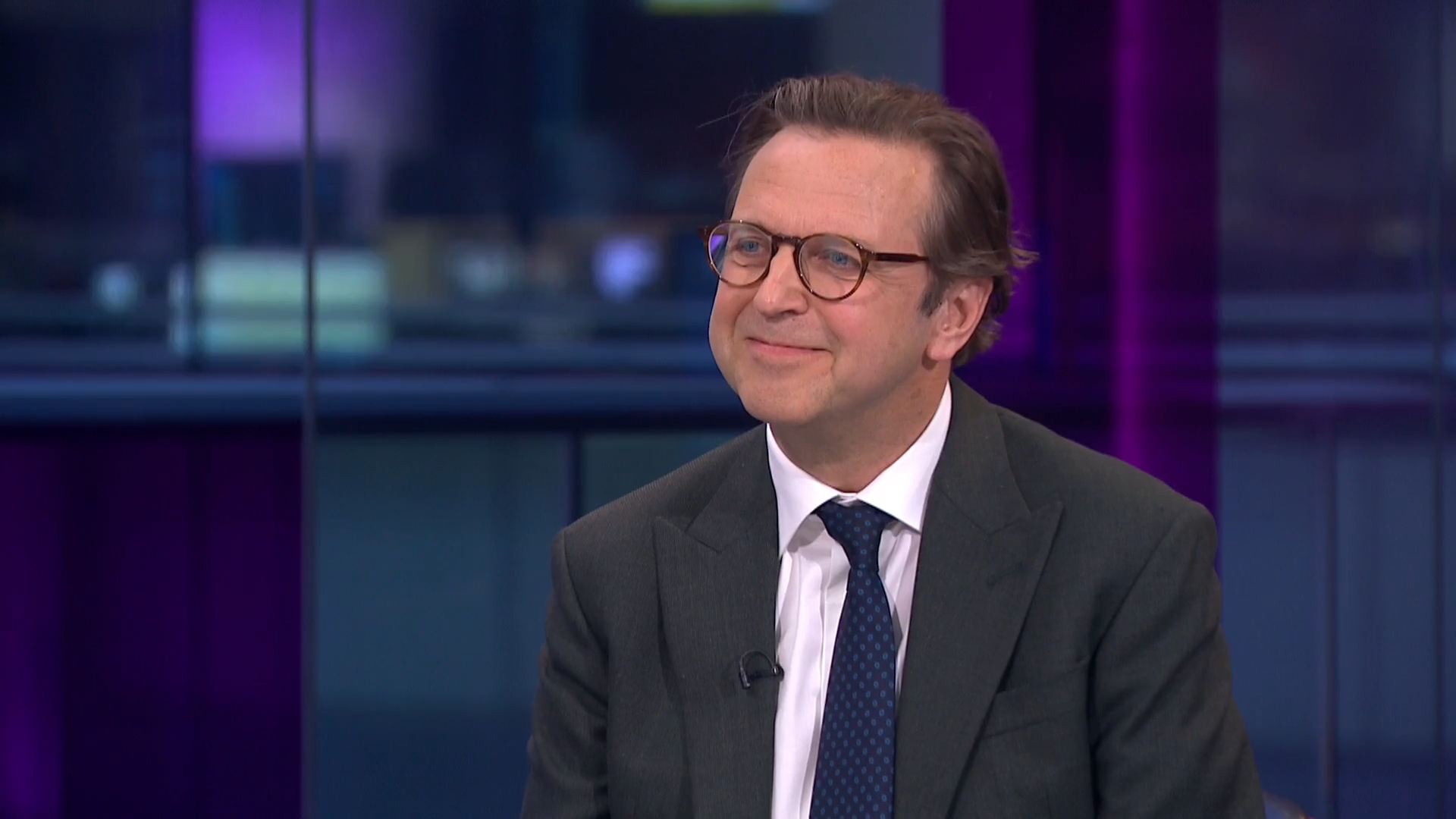
Alex Farquharson, director of Tate Britain, told Channel 4 News that Hockney’s work is marked by a “love of life”. The artist did not use the highly sexualised imagery of Robert Mapplethorpe or the activist themes of Keith Haring. Instead, he reshaped ideas of beauty, intimacy and desire, making the biggest splash through subtlety.
Hockney moved to Los Angeles in 1964 – five years before New York’s Stonewall uprising launched the western Pride movement – and found greater freedom to live openly as a gay man. His paintings of California swimming pools, immaculate lawns and palm trees presented a fantasy land. His portraits hint at sex while never portraying it explicitly, but there is a tenderness to them.
Farquharson’s praise comes as Hockney’s early coded works continue to resonate. The toothpaste tubes, the embracing figures, the pool – all part of a winking celebration of queer life that challenged homophobia within the artistic establishment. And they did so by leaving just enough to the imagination of those who weren’t yet ready to see.