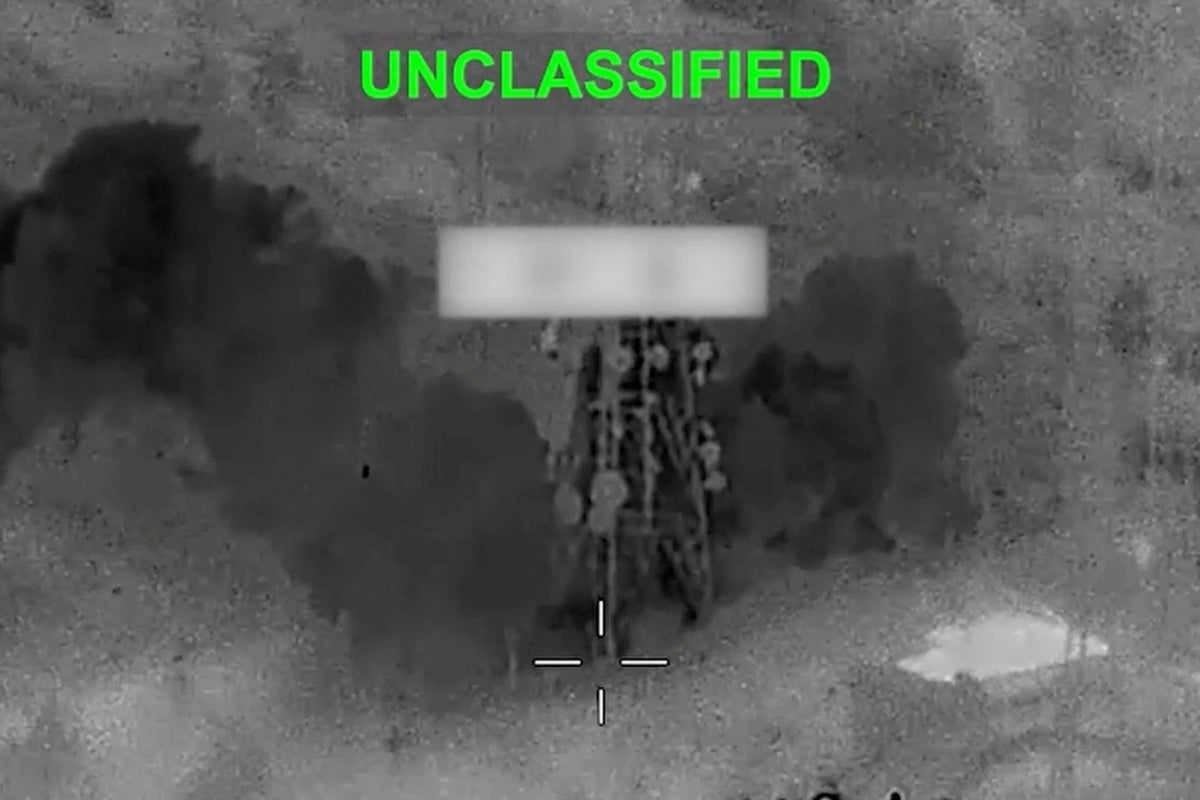
When Iran launched ballistic missiles at a US base in Jordan on 17 July 2026, it marked the first time since the war began that American troops were killed by direct Iranian fire. Two US service members died and one remains missing, bringing the total US death toll to at least 16. The attack came as part of a wider Iranian retaliation against US allies in the Gulf, including strikes on Kuwait and Bahrain, after Washington bombed Iran for a seventh consecutive night. The violence follows the collapse of a fragile ceasefire that had been reached just weeks earlier.
The conflict between the United States and Iran erupted into open war on 28 February 2026. For months, the two sides traded strikes across the Middle East, with Iran targeting US military facilities in the Gulf region and the US hitting Iranian infrastructure. In June 2026, a temporary ceasefire was signed by both presidents, but it unravelled within a month. US President Donald Trump declared the agreement “over” after talks to end the conflict stalled, and Iran’s supreme leader, Mojtaba Khamenei—who has remained unseen since the war began—called Trump’s signature “worthless and invalid”. The US then resumed airstrikes, hitting “surveillance sites, military logistics infrastructure, underground weapons storage, and maritime capabilities” for seven straight nights, according to US Central Command (Centcom). It also reimposed a naval blockade on Iranian ports.
“Explains the renewed US-Iran conflict, its background, and impact on global stability.”
Iran responded by striking US allies in the region. On 18 July, Kuwait reported that Iranian missiles hit a power and water desalination plant, a critical target in a country that relies on desalination for about 90% of its drinking water. Several Kuwaiti firefighters and a worker were injured battling the resulting blazes. Bahrain activated air sirens and intercepted incoming drones or missiles. Jordan’s military said it had downed 10 Iranian missiles. The Gulf Cooperation Council condemned Iran’s attacks as “war crimes” for deliberately targeting civilian infrastructure. Iran, in turn, accused the US of damaging its own desalination plants, with local authorities reporting that 10,000 people faced water shortages after a US strike.
For UK readers, the conflict matters because of its potential to disrupt global energy supplies and regional stability. Iran has declared the Strait of Hormuz—a narrow waterway through which about a fifth of the world’s oil passes—closed, threatening oil prices and supply chains. The fighting has already caused thousands of casualties across the Middle East, and the US has advised all Americans worldwide to “exercise increased caution” due to the risk of escalation. Although the UK is not directly mentioned in the sources, British forces often operate alongside US allies in the Gulf, and any broader war could draw in British interests. The targeting of water infrastructure also highlights a humanitarian dimension: in a region already facing water scarcity, attacks on desalination plants put millions at risk.
Q: Why are the US and Iran fighting? The war began on 28 February 2026 after years of tension over Iran’s nuclear program and regional influence. A temporary ceasefire was signed in June 2026 but collapsed within a month, after which the US renewed airstrikes and Iran retaliated against US allies in the Gulf. The immediate trigger for the latest escalation is the breakdown of that ceasefire and the US reimposition of a naval blockade.
Q: What is the Strait of Hormuz and why does it matter? The Strait of Hormuz is a narrow channel between the Persian Gulf and the Gulf of Oman, through which a large portion of the world’s oil is shipped. Iran has declared it closed, which could disrupt global oil supplies and cause price spikes, affecting everything from petrol prices to heating costs in the UK.
Q: What was the June 2026 ceasefire deal? In June 2026, the presidents of the US and Iran signed a preliminary agreement to end the war. The deal unravelled within a month after talks stalled. President Trump declared it “over”, and Iran’s supreme leader said the US president’s signature was “worthless”. Since then, both sides have resumed intensive military operations.
What happens next remains uncertain. The US continues its airstrikes and naval blockade, while Iran has pledged “unforgettable lessons” if the attacks persist. Mediation efforts, which previously involved Qatar, have stalled with “no new word” on any diplomatic push. Each side shows no sign of backing down, and the conflict risks spreading further into the Gulf region, with potentially severe consequences for global security and the UK economy.