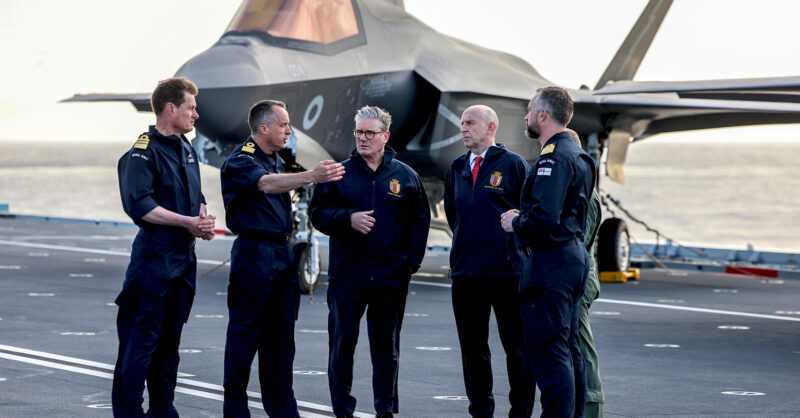
John Healey, the Defence Secretary and one of the most instinctively loyal and centrist members of the government, has resigned, dealing what analysts describe as a terminal blow to Keir Starmer’s premiership. In a resignation letter that amounts to a demand for the resignation of both the Prime Minister and the Chancellor, Rachel Reeves, Healey wrote: “You have been unable, and the Treasury has been unwilling, to commit the resources that the nation needs to defend the country at this time of rising threats.”
The resignation came after weeks of wrangling inside Whitehall over defence spending. Healey reminded Starmer that only last week he had said he believed “there could be an attack by Russia on Nato as soon as 2030. You know what defence needs.” The extra money eventually offered to Healey was £10 billion – far short of the £28 billion the armed forces said was necessary just to stand still.
“John Healey resigns as defence secretary, citing Starmer and Treasury's failure to commit resources for national defence.”
“This is not a complex inside-Westminster argument. This is Healey saying: you have decided not to keep us safe,” said George Robertson, the former Labour defence secretary and respected secretary general of Nato who co-authored the Strategic Defence Review. Robertson, an instinctively loyal party man, had earlier attacked Starmer for “corrosive complacency” – a warning the Prime Minister chose not to heed.
Starmer and Reeves have seen the intelligence warnings, heard leaders including President Zelensky spell out the threat, and watched the threadbare resources of the Royal Navy become globally apparent. They commissioned and read the Strategic Defence Review, yet failed to act. Starmer could have begun an urgent national conversation about threats to the country, piled pressure on a recalcitrant Treasury, or imposed extra taxes or departmental cuts to fund defence. He did none of these effectively.
Even before Healey’s resignation, the publication of the Defence Investment Plan (DIP), expected next week, promised to be a political nightmare. The heads of the armed forces were prepared to denounce it as a thin-gruel recipe for cuts and retreat. Labour MPs were already conspiring to stop any cuts to welfare, the NHS or other domestic budgets, leaving Starmer caught between the two sides just ahead of a crucial Nato summit in Turkey in early July, where Britain can now expect a ferocious battering from her allies. After today, however, everything is far, far worse.