The first thing to melt in a British heatwave isn’t tarmac – it’s any pretence that the country is prepared for hot weather. Millions of schoolchildren and hundreds of thousands of teachers spend the hottest days of the year inside buildings that were never designed to cope with prolonged heat. The i Paper columnist Stefano Hatfield, a teacher, warns that Britain’s workplace temperature laws belong to a different climate: there is no legal maximum temperature at all, while guidance sets a minimum of 16°C. Classrooms, offices and warehouses routinely exceed outdoor temperatures, but the law offers no point at which conditions are deemed too hot to work. Schools expose the problem starkly, with teachers improvising with fans that are often scarce because budgets are overstretched. Mobile air-conditioning units are prohibitively expensive and impractical in ageing buildings with outdated electrical systems. As RAAC revealed, many schools are barely fit for purpose even before the mercury rises. Exam season still falls into the likeliest heatwave period, with teenagers sitting GCSEs and A-levels in sweltering halls where concentration is compromised.
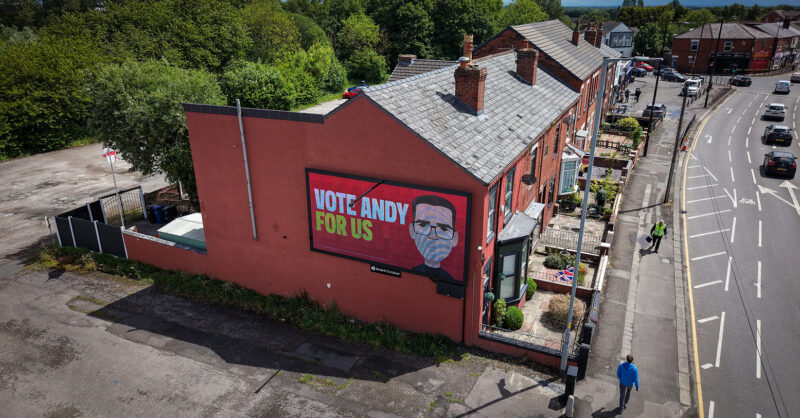
While schools struggle with crumbling infrastructure and heat, a different kind of neglect has been addressed in the political arena. In the early hours of Friday, a victorious Andy Burnham sought to convince Makerfield’s wary voters that he would not treat them as a “stepping stone” but a “touchstone”. He vowed that as a direct consequence of electing him, there would be a “Makerfield test at the heart of British politics” which would “ensure the places Westminster has neglected will now get fairness”. This is not something he can pull off from the backbenches, the New Statesman notes.
“Teachers swelter in schools with no max temperature law as Burnham promises a Makerfield test to tackle neglect.”
Burnham faces criticism over a lack of foreign policy experience, but a source close to him argues the test is to translate the political decision to stand and win in this seat into a broader test of policy, because the issues he campaigned on “capture the ways our economy and state are broken” that must be fixed. The risk of literalism is that policy ideas will be deemed to cut the mustard only if they benefit his new patch, but Burnham clearly means places “across the country who have been neglected, who feel that the country works for other people in other places but not for them”. Literalism and data-worship are part of how Makerfield became anything other than safe Labour territory. Perhaps Burnham, an English Lit graduate, grasps that politics needs to be conducted in metaphors and symbols as well as metrics and stats. Whether the Makerfield test can address concrete issues like sweltering classrooms remains to be seen.