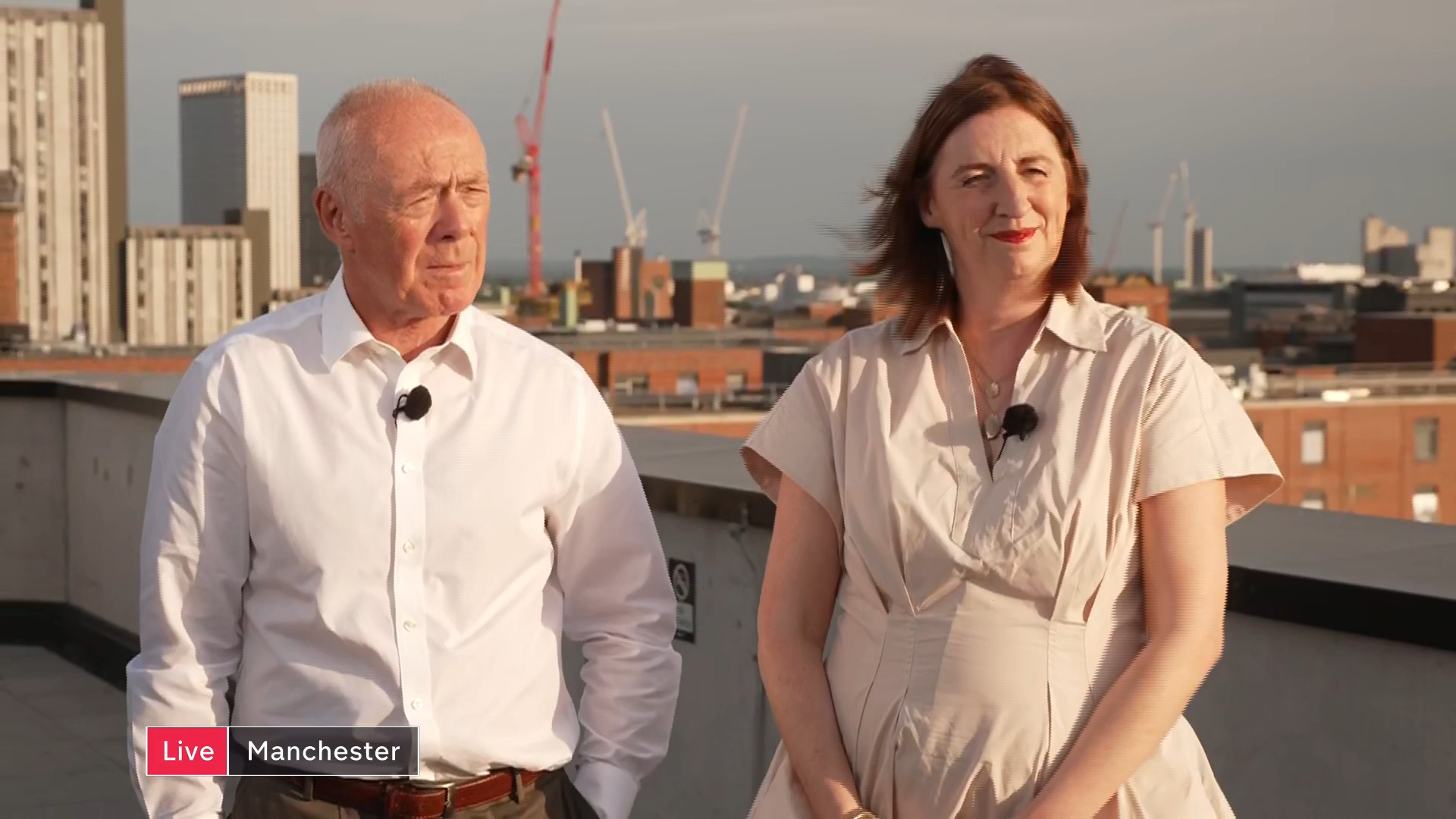
Walk through central Manchester today and you'll see a city of contrasts: gleaming glass skyscrapers next to rubble-strewn building sites, luxury apartments marketed to "the enlightened" alongside empty holes in the ground. This ragged, unfinished landscape is the physical manifestation of a political philosophy that has come to be known as "Manchesterism" – the approach of Greater Manchester Mayor Andy Burnham that blends devolution, co-operation and Chinese investment to reshape the North.
At its simplest, Manchesterism is the belief that cities and regions should have more control over their own affairs, working in partnership with business and communities rather than waiting for Whitehall. Burnham was first elected metro mayor in 2017, having secured a landmark devolution deal from central government that gave Greater Manchester control over transport, housing and health budgets. His style is overtly populist – he styles himself as the "King of the North" and has used his platform to challenge the Duchy of Lancaster over an illegal waste dump in Bickerstaff, near Wigan, arguing that inherited wealth should be used to clean up northern communities.
“Manchesterism is the political philosophy behind Andy Burnham's approach to devolution and regeneration in Greater Manchester.”
The philosophy has deep roots. As former Manchester city council leader Richard Leese told Channel 4 News, Burnham has done what he said he would do. The co-operative movement is central: Rose Marley, chief executive of Co-operatives UK, advised Burnham. But Manchesterism also relies heavily on foreign capital. Chinese construction giants – Beijing Construction Engineering Group International, CR Construction and others – have poured money into the city. The New Vic development, a cluster of apartment towers, is partly funded by Chinese money, though the council keeps the exact amount secret. At Dantzic Street, UK developer Pinnacle failed to build twin towers, leaving off-plan buyers in Hong Kong short £31 million. The site was later bought by Hong Kong's Far Eastern Consortium.
Why does this matter for UK readers? Manchesterism is being touted as a model for the rest of the country. Burnham is widely expected to become Prime Minister after the next election – he would be the first premier from the North-west since Robert Peel in 1841. His success or failure could determine whether other regions seek similar devolution deals. Critics, however, point to the downsides: 40% of Manchester's new builds are aimed at private renters, and the city's dependence on opaque Chinese investment raises questions about accountability and local control.
Q: What is Manchesterism? Manchesterism is the political philosophy of Andy Burnham, Greater Manchester's metro mayor. It emphasises devolution, co-operative principles and inward investment – particularly from China – to regenerate the city-region.
Q: Who is Andy Burnham? Andy Burnham is the Labour Mayor of Greater Manchester, elected in 2017 and often described as the "King of the North". He previously served as a Cabinet minister under Gordon Brown and is widely expected to become the next Prime Minister.
Q: How does Chinese investment fit into Manchesterism? Chinese money has funded numerous developments in Manchester, from skyscrapers to student housing. The council has kept the exact amounts secret, and some projects have faced delays or financial irregularities – such as the Pinnacle scheme that left Hong Kong buyers out of pocket.
What happens next? Burnham is set to meet King Charles at Buckingham Palace to receive his formal invitation to become Prime Minister. Their unlikely bond – forged in part over the Bickerstaff waste dump, which the Duchy of Lancaster owns – will symbolise the North-South divide that Manchesterism aims to bridge.