The war began on 28 February 2026 with a precision strike that killed Iran’s supreme leader, Ali Khamenei, and seven other senior military and intelligence officials. Among the dead were General Abdolrahim Mousavi, Defence Minister Aziz Nasirzadeh, and the head of military R&D, Hossein Jabal Amelian. Mojtaba Khamenei, the supreme leader’s son, has not been seen or heard from since the bombing and is believed to be mutilated if still alive.
Iran’s response was swift and indiscriminate. From 28 February to 20 April, it launched 1,471 ballistic missiles across the region. Of those, 650 struck Israel, killing 27 civilians and one off-duty soldier and injuring some 3,000 people. The remaining missiles hit Gulf states: 563 landed in the United Arab Emirates, 265 in Kuwait, 215 in Qatar, 194 in Bahrain and 135 in Saudi Arabia – many of which had remained neutral or even aided Iran economically.
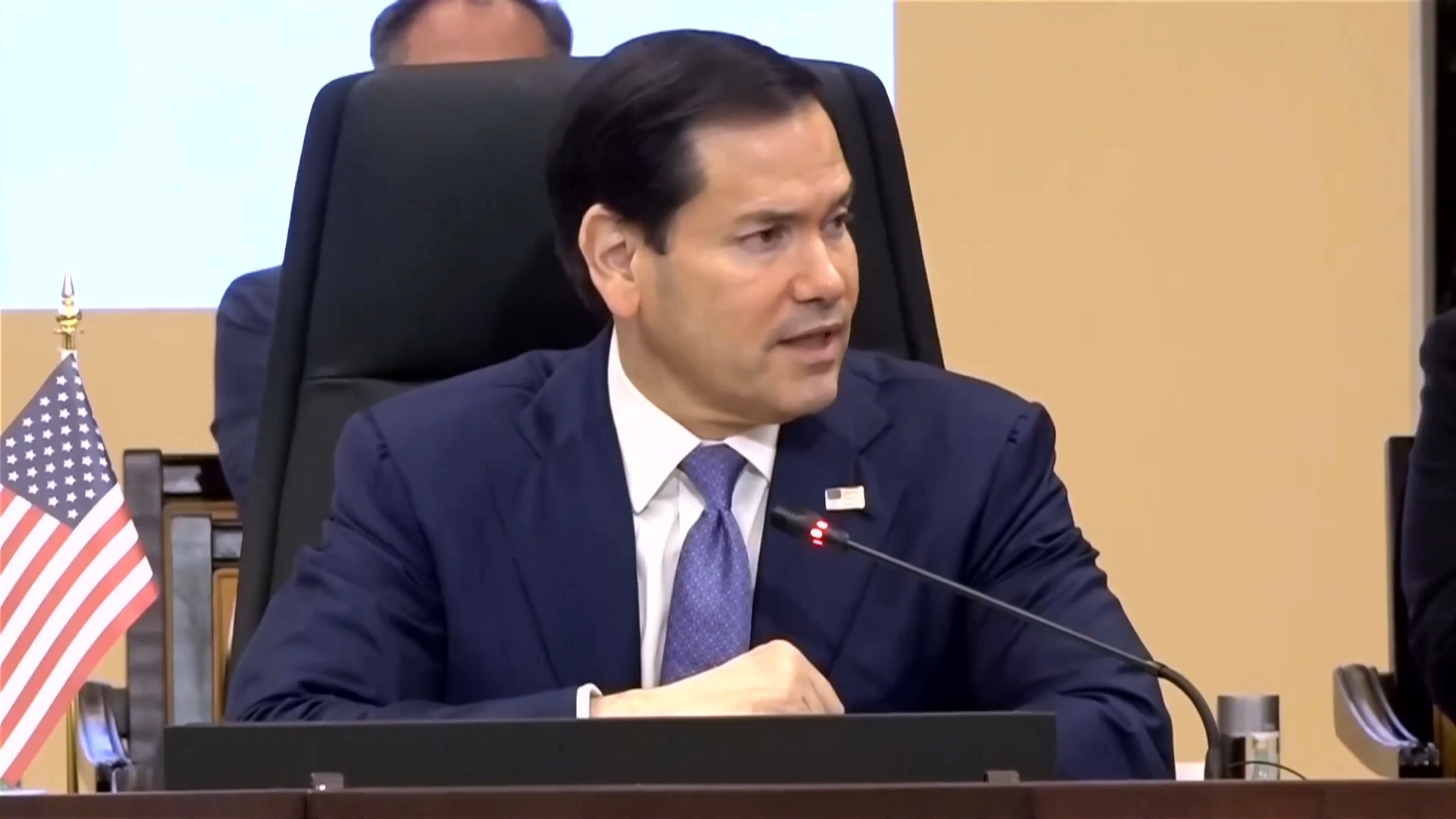
“US Secretary of State Marco Rubio tours Gulf states to sell Trump's Iran peace deal as White House seeks $66bn in war funding.”
The missiles used were the 17-tonne Kheibar Shikan with a 750kg warhead and the 20-tonne Khorramshahr carrying up to 1,500kg of explosives. While their warheads often failed to detonate, the sheer mass of metal caused extensive property damage.
It is against this backdrop that US Secretary of State Marco Rubio has been touring Gulf states, selling Donald Trump’s Iran peace deal and offering reassurances about regional security. The deal, which critics on both sides describe as vague on key points, comes after a conflict that exposed the limits of American military appetite. The UnHerd analysis notes that the US is no longer willing to sacrifice soldiers, a factor it says drove the abandonment of what could have been a final war.
Meanwhile, the White House has asked Congress for more than $66bn in urgent funding linked to the Iran war – a sum that underscores the scale of the military engagement and the continued need for resources even as diplomatic efforts advance.