Russian troops sent to the Ukrainian frontline can expect to live for just 20 to 35 minutes, according to an estimate from Russian military bloggers. The figure, cited by Oxford historian Peter Frankopan in a report for Foreign Policy, lays bare the increasingly lethal conditions as Ukraine’s drone capabilities evolve. Moscow has been accused of employing a ‘meat-grinder’ strategy, sending vast numbers of troops to slowly grind down Kyiv’s heavily fortified defences. But with drones now dominating the war, Russia is losing men at a fast rate, with an average of 30,000 monthly casualties in 2026. Some estimates suggest Russia is suffering eight men killed or wounded for every one lost by Kyiv.
“According to Russian military bloggers, the average life expectancy of a new recruit—from arrival at a training ground to death in a combat zone—lies somewhere between 10 days and three weeks,” Frankopan writes. “Once they are sent onto the battlefield, Russian fighters survive an average of 20 to 35 minutes.”
“Russian soldiers survive just 20-35 minutes on the frontline as Ukraine's drone attacks cause fuel shortages and high casualties.”
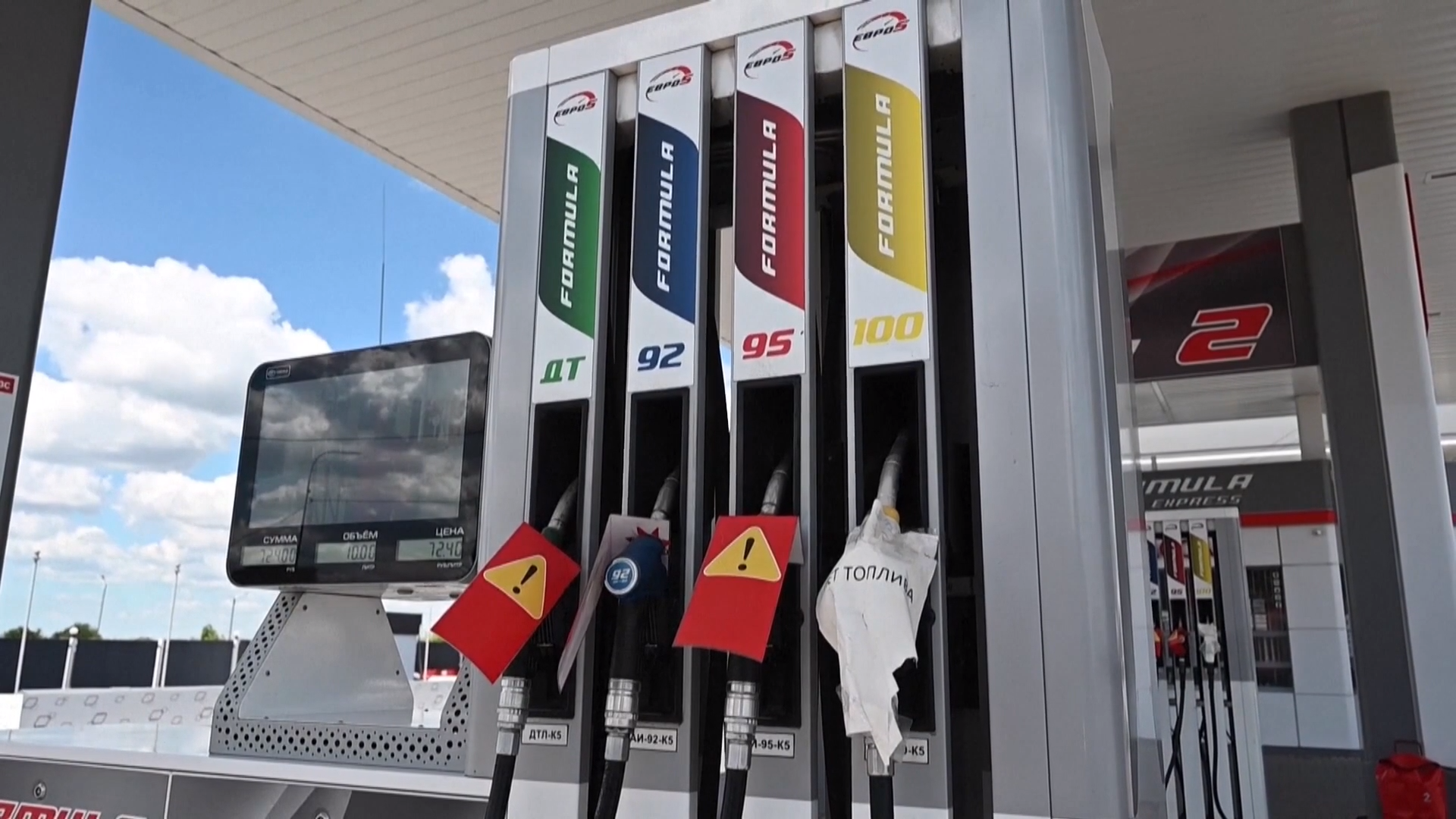
Russian President Vladimir Putin has admitted that his country is suffering fuel shortages amid a sustained wave of Ukrainian strikes on Russian oil refineries. Several regions have declared states of emergency, especially the illegally annexed Crimea where electricity and water supplies are being cut off and petrol is almost impossible to find. Even a US State Department official acknowledged last week that Ukraine was “winning the war for now”.
Ukrainian president Volodymyr Zelensky said in early 2026 that more than 80 per cent of Russian targets are destroyed by Ukrainian drones, most of which are domestically produced. The Ukrainians have intensified longer-range strikes on refineries, depots and supply routes, having learned to overwhelm Russia’s defences with a growing arsenal of cutting-edge drones. Their successes have created debilitating shortages across Russia, from occupied Crimea to the eastern expanses of Siberia, giving Kyiv the upper hand as both sides weigh restarting peace talks.
Ukraine’s Ministry of Defence said in 2022 that it had the ability to hit targets some 630km away. This year, it says its long-range weapons are destroying targets “at about a distance of 1,750km”. GCHQ, a British intelligence agency, said in May that nearly 500,000 Russian troops have been killed since Putin launched his full-scale invasion in February 2022. Russia’s use of heavy artillery around the frontline has also been complicated by attacks by FPV drones, prompting the military to employ more infiltration strategies using small groups of soldiers to target the weakest points of the Ukrainian frontline.