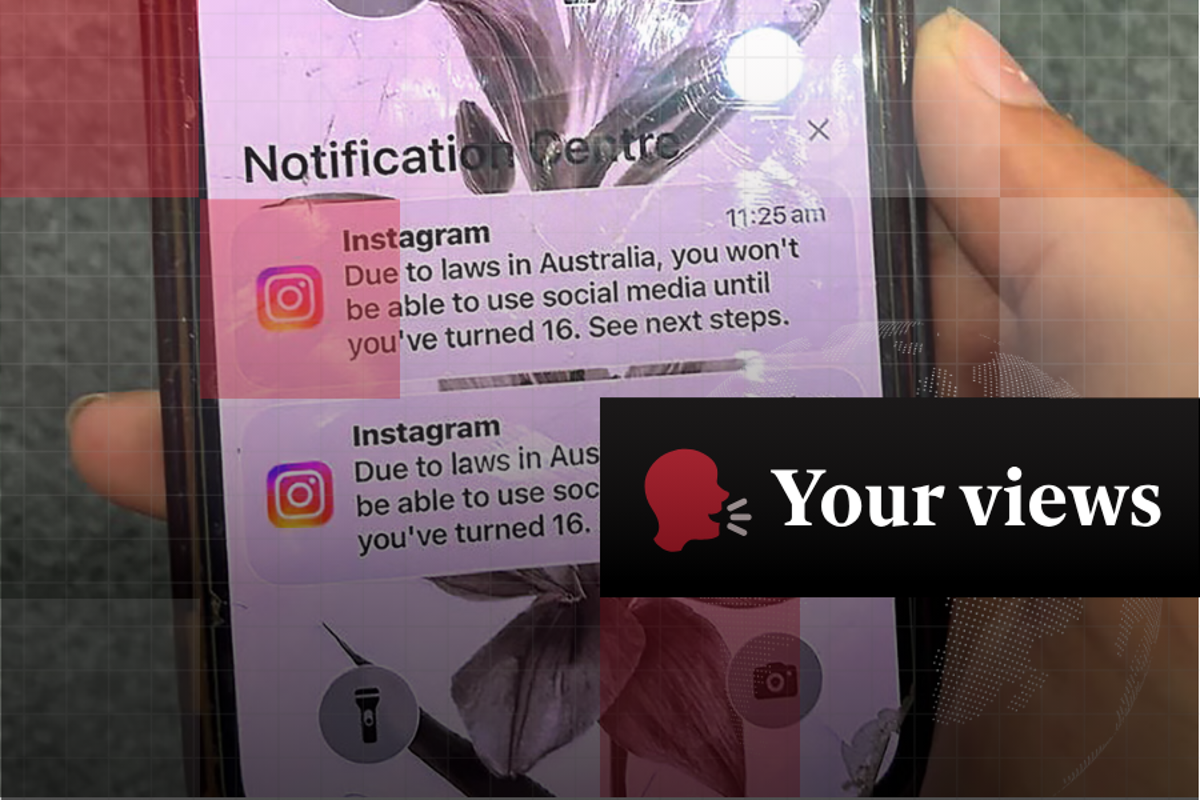
Bereaved parents wept as Keir Starmer confirmed a total ban on social media for under-16s, a seismic package of online safety measures that the prime minister said would “call time on a system that’s failing kids”.
Ellen Roome, whose 14-year-old son Jools Sweeney took his own life in 2022, said she and other grieving families shed a tear when the ban was announced. “We shouldn’t be having to be in this position but we all lost our children and campaigned to make a difference for other people’s children, so it was a very powerful but important moment,” she told the Press Association. “So delighted to hear it.”
“Starmer announces social media ban for under-16s; bereaved parents back it as critics warn of unworkable enforcement and slippery slope.”
Announcing the ban during a Downing Street press conference on Monday, Starmer said the restrictions would cover platforms including TikTok, Instagram, Threads, Facebook, X, YouTube, Snapchat and Reddit. The plans are expected to come into force by spring 2027.
“This is not something I do lightly and I will not present it as cost-free, as if social media has brought no benefits to young people, as clearly that is wrong,” the prime minister said. “But it is clear to me that a full ban is the right choice. Do we truly believe that social media creates a happy environment for our children? Do we truly believe it’s a place they can feel safe?”
Starmer, who on Sunday night said his government would “always stand up for parents and put children first”, was not without supporters. Independent readers responding to the plan were split, with one parent describing the ban as “the best of poor solutions” and another arguing tech companies should be treated as publishers, held legally accountable for algorithm-driven harm: “The mental health of our children … is far more important than corporate greed.”
But critics warned the policy could be hard to enforce. One reader cautioned it could pave the way for “mandatory ID” and wider surveillance, while another said under-16s would likely bypass restrictions using VPNs and fake accounts. Others warned of “governmental overreach” and a “slippery slope” towards greater control.
Scotland’s Children’s Commissioner also sounded an alarm, warning that a ban “risks driving children to darker places on the internet”. The commissioner did not elaborate on how that risk might be mitigated, but the warning added to a deepening divide over whether a blanket ban is workable or wise.
For Roome and other bereaved parents, the question is not academic. “We shouldn’t be having to be in this position,” she said. “But we are.”