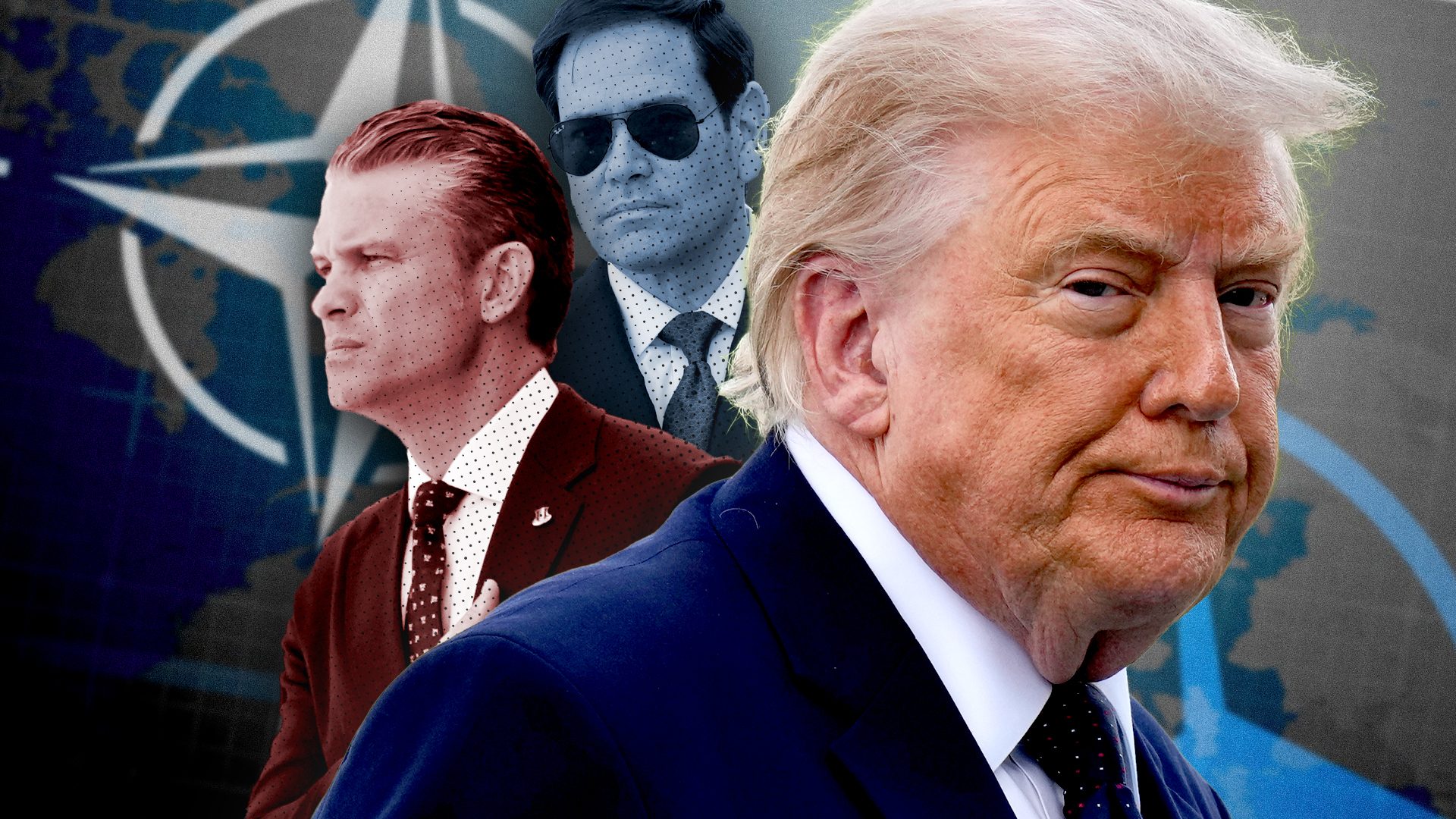
Donald Trump used the NATO summit in Ankara to put the alliance on notice once again. In a series of outbursts, he revived his demand for Greenland, ordered an immediate trade cut-off with Spain, declared the ceasefire with Iran "over", and warned that Europe might not survive unless it changes its immigration and energy policies. The spectacle left allies scrambling to interpret whether these were negotiating tactics, genuine policy shifts, or something else entirely.
At the summit, Trump stood alongside Turkish President Recep Tayyip Erdogan and NATO Secretary-General Mark Rutte. He directed Treasury Secretary Scott Bessent to "cut off all trade with Spain, please", calling Spain a "terrible partner" that does not "pay" enough for NATO. He also claimed Denmark "doesn't spend money to really help Greenland" and insisted the territory should be "controlled by the United States". On Iran, he said, "I think it [the ceasefire] is over" and labelled Iranian leaders "scum". He then suggested US troops could be withdrawn from Europe because the continent is "a very different place than it was 20 years ago", citing high levels of non-white immigration and restrictions on energy drilling.
“Trump's latest outbursts at the NATO summit in Ankara explained, including threats to Greenland, Spain trade cuts, and troop withdrawals.”
The underlying tensions are not new. Trump has long complained that many NATO allies fail to meet the alliance's target of spending 2% of GDP on defence. This grievance, combined with his transactional worldview, has fuelled demands for Greenland — which he first floated in 2019 — and his criticism of European immigration and energy policies. During the summit, Rutte insisted the US remained committed to NATO but said there was "an expectation" that European allies and Canada would "equalise their spending". Trump's threat to pull troops echoed his earlier comments that the US might leave the alliance if allies do not pay more.
For UK readers, the stakes are high. Britain is a leading NATO member, and Prime Minister Sir Keir Starmer attended the summit in Ankara — his last major appearance on the world stage before stepping down. If the US reduces its military presence in Europe or follows through on trade threats, it could directly affect UK security and economic ties. Trump's warning that Europe must be "careful with immigration and energy" also touches on British policy debates. Additionally, the collapse of the Iran ceasefire could reignite Middle East instability, with knock-on effects for oil prices and migration routes that affect the UK.
Q: Why does Trump want Greenland? Trump has repeatedly claimed that Greenland, a Danish territory, should be controlled by the US because it is strategically important and surrounded by Chinese and Russian ships. Danish and Greenlandic authorities have rejected the idea. Trump argues Denmark does not invest enough in Greenland, making US control necessary for security.
Q: What is the NATO spending dispute? NATO members agreed to aim for spending 2% of their GDP on defence. Trump has long accused many European allies of freeloading on US military protection. At the summit, Rutte said there was an expectation that European allies and Canada would equalise their spending with the US, which he called "fair". Spain is one of the countries that spends well below 2%.
Q: Could the US really leave NATO? While Trump has repeatedly threatened to pull out of NATO, doing so would require an act of Congress. However, his administration could reduce US troop levels in Europe, which would effectively weaken the alliance. Rutte insisted the US remains fully committed, but Trump's comments about withdrawing troops signal that the commitment is not unconditional.
What happens next is unclear. The summit is still ongoing, and more confrontations may emerge. Trump's order to cut trade with Spain takes effect immediately, and the Iran ceasefire appears to be dead. Allies will now watch for concrete moves, such as actual troop redeployments or trade restrictions. For the UK, the challenge will be managing the fallout while maintaining the alliance that has underpinned European security for decades.