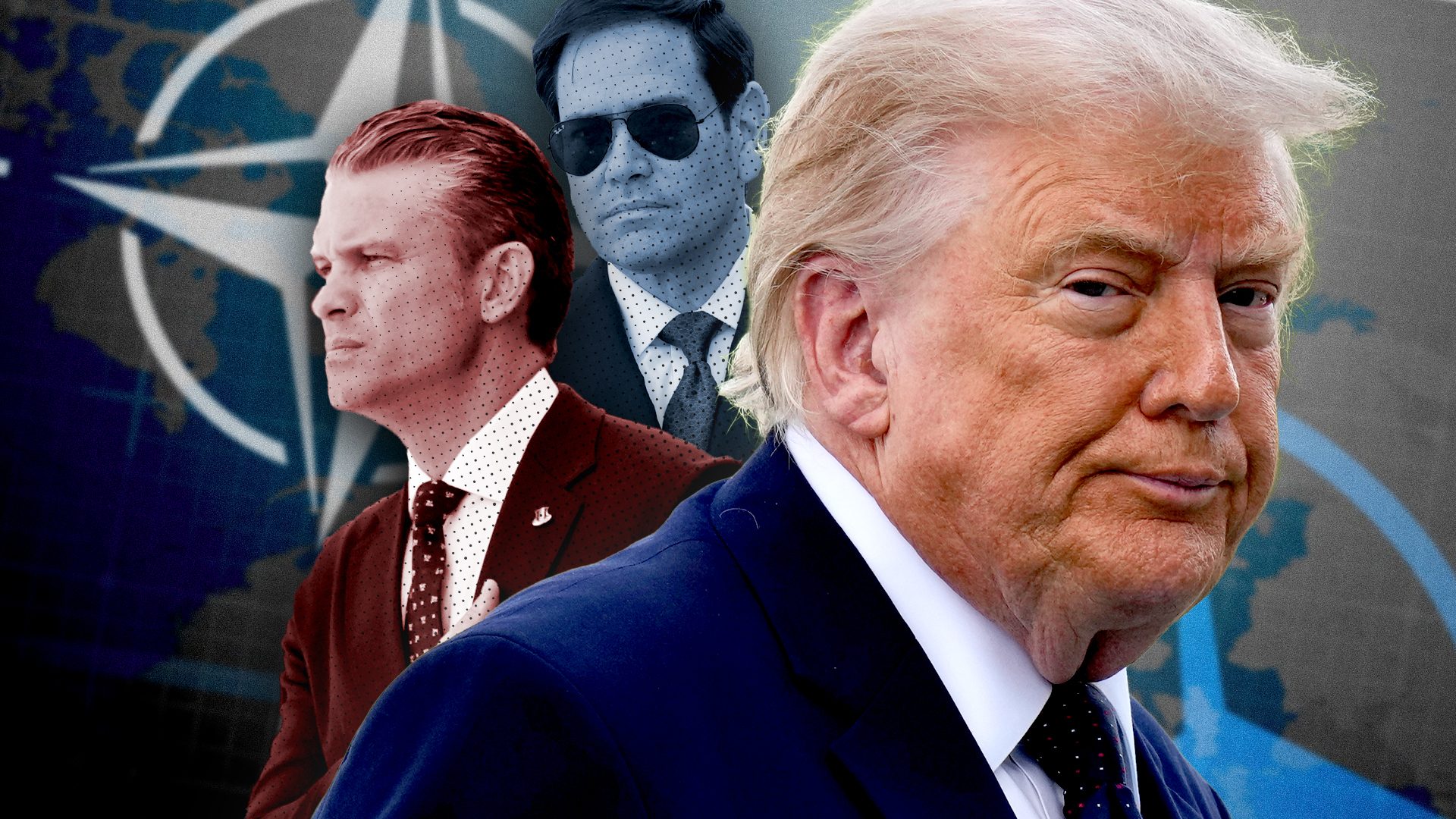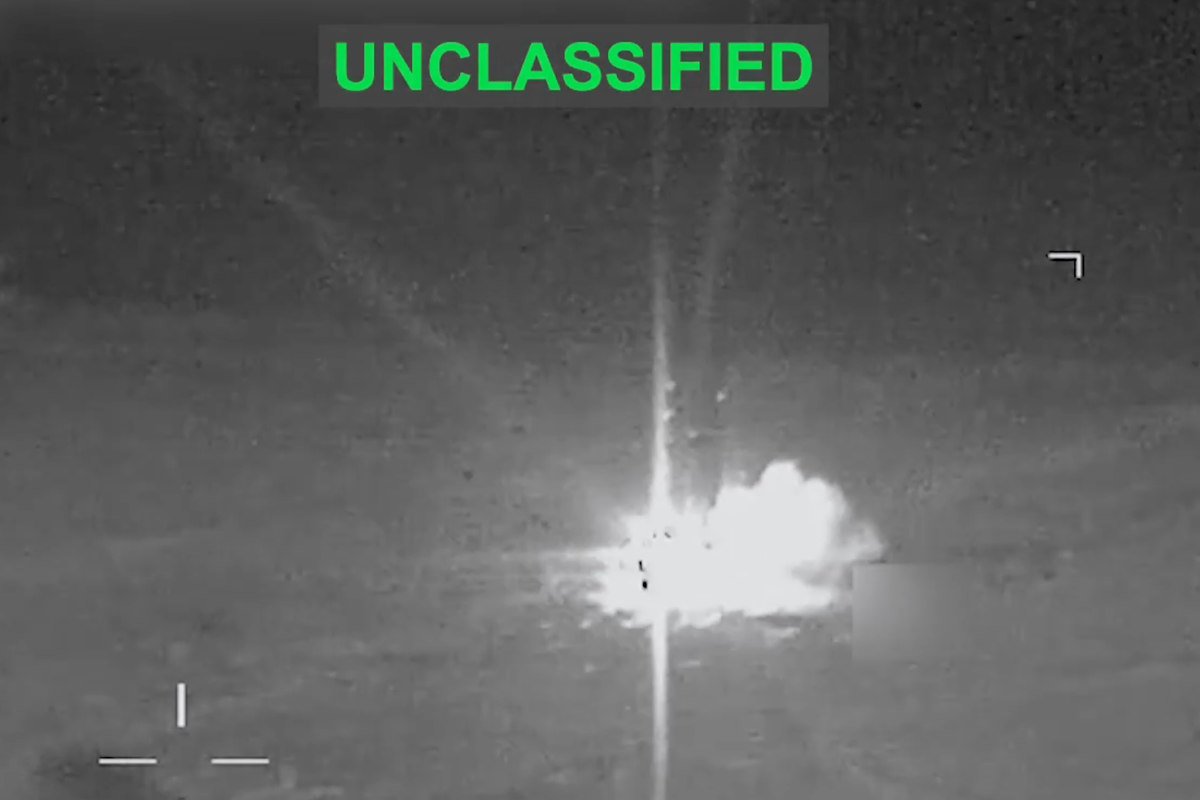
On June 7, 2026, the United States launched missile strikes against Iran, hitting 80 targets including air defense systems, coastal radar sites, and command centers. Hours later, President Donald Trump declared the ceasefire between the two countries “over” at a NATO summit in Turkey. That same night, Iran retaliated with strikes on 85 US military sites in Bahrain and Kuwait. The exchange marked the dramatic unraveling of a tentative peace deal reached just weeks earlier.
The ceasefire had been formalized as a “memorandum of understanding” between the US and Iran in late June 2026. Under its terms, the US agreed to lift its naval blockade on Iran and temporarily suspend sanctions on Iranian oil exports. In return, Iran would reopen the Strait of Hormuz, a narrow waterway that is a vital chokepoint for global oil shipments. For a brief period, the strait reopened, and oil prices fell. But tensions quickly resurfaced: Iran accused the US of violating the deal by allowing Israeli strikes in Lebanon, and the US accused Iran of attacking commercial vessels in the strait. On June 20, Iran declared the strait closed again.
“Explains the 2026 US-Iran ceasefire, its collapse, and the impact on UK oil prices and security.”
The collapse of the ceasefire has direct consequences for UK readers. The Strait of Hormuz is a critical route for the world’s oil supply. When it is disrupted, oil prices rise. On the morning Trump declared the ceasefire over, the price of Brent crude oil jumped by 3% to around $76 a barrel, and later climbed to $78. Higher oil prices mean higher costs for petrol, heating, and goods transported by road and sea in the UK. Additionally, the instability threatens global trade and could affect UK businesses that rely on Middle Eastern oil.
Q: Why is the Strait of Hormuz so important? The Strait of Hormuz is a narrow waterway between Iran and the Arabian Peninsula through which about a fifth of the world's oil passes. If Iran blocks or attacks ships there, it can disrupt global oil supplies and send prices soaring. This directly affects UK consumers at the petrol pump and in heating bills.
Q: What led to the ceasefire in the first place? The ceasefire, agreed in June 2026, was a deal to de-escalate tensions. The US lifted its naval blockade and eased oil sanctions in exchange for Iran reopening the Strait of Hormuz. It was a fragile arrangement that quickly broke down amid mutual accusations of violations.
Q: Could the conflict escalate further? It is unclear. Trump stated he does not want to negotiate anymore and called Iran “scum” and “liars.” Iran’s chief negotiator accused the US of reinstating oil sanctions and attacking its territory. Both sides have shown willingness to use military force. The situation remains volatile, and further strikes or reactions could occur.
What happens next is uncertain. The US has revoked the license allowing Iranian oil sales and reimposed sanctions. NATO leaders discussed the crisis at the summit, but no clear path to de-escalation has emerged. Oil markets remain jittery. Unless a new diplomatic effort emerges, the region may face prolonged tension, with direct consequences for global energy prices and UK household costs.