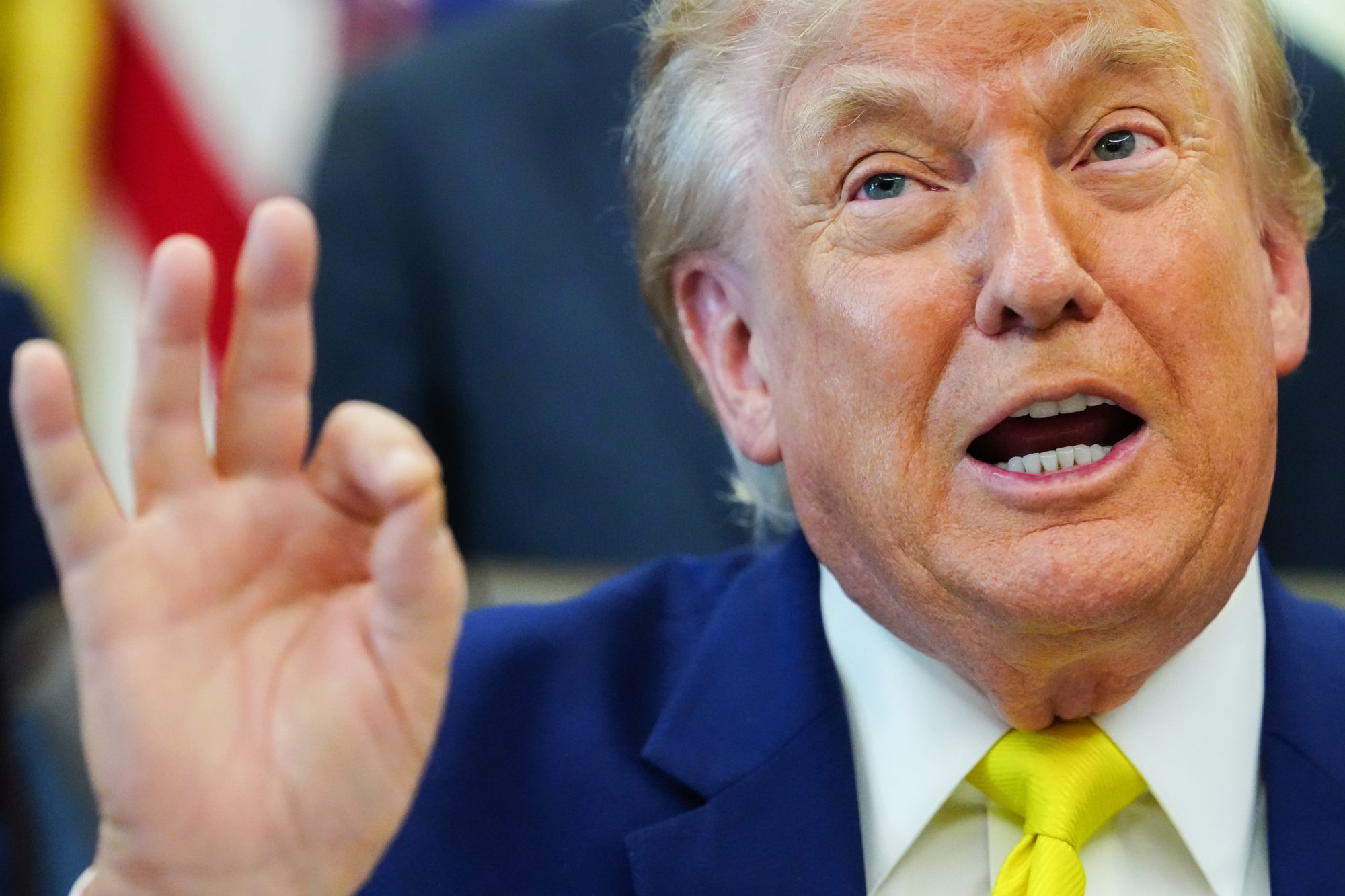
Pakistan’s prime minister, Shehbaz Sharif, has declared that a US-Iran peace deal is “expected in the next 24 hours”, warning of a “misinformation campaign” designed to “sabotage” reconciliation. The announcement came as both sides reported being “very close” to an agreement ending the conflict, with Donald Trump saying a memorandum of understanding could be signed as soon as Sunday in Europe.
But the path to a deal remains fraught. Trump, who described the Iranians as “very dishonourable people to deal with”, called on them to “get their act together, and FAST!” His frustration echoed the conflicting accounts from US and Iranian officials over the agreed terms. Iranian foreign minister Abbas Araghchi insisted the deal “has never been closer”, yet uncertainty persists over four key sticking points.
“Pakistan declares US-Iran peace deal expected in 24 hours, but tensions over Strait of Hormuz and nuclear programme remain unresolved.”
The most immediate hurdle is the Strait of Hormuz, effectively closed by Iran since the conflict began in February. A senior White House administration official said the memorandum would reopen the waterway and lift the US blockade on Iranian ports. Araghchi countered that sovereignty belongs to Iran and Oman, vowing: “our sword will always hang over the Strait of Hormuz” – a chokepoint for a fifth of world oil flows, where several ships have been attacked, driving up global energy prices.
Nuclear policy remains equally unresolved. A draft of the memorandum, briefed to Reuters, pushes nuclear talks to a 60-day period with no mention of Tehran giving up its stockpiles of highly enriched uranium. A senior Trump administration official insisted Tehran is committed to dismantling its weapons programme and decommissioning sites, but admitted it is “not yet clear how this would be done”. The extent of damage to Iran’s nuclear and missile infrastructure also remains unclear, as does the potential inclusion of hundreds of billions of dollars in war reparations.
As diplomats race to finalise terms, the violence grinds on. In southern Lebanon, a funeral was held for two young men killed by Israeli strikes, attended by a Hezbollah MP. Iran’s “decision making bodies” are meeting to discuss the terms, an Iranian official said, but he could not confirm any details. The text of a deal may be in place, but whether it can bridge the divide between Washington and Tehran – and withstand the misinformation that Sharif warned against – remains an open question.