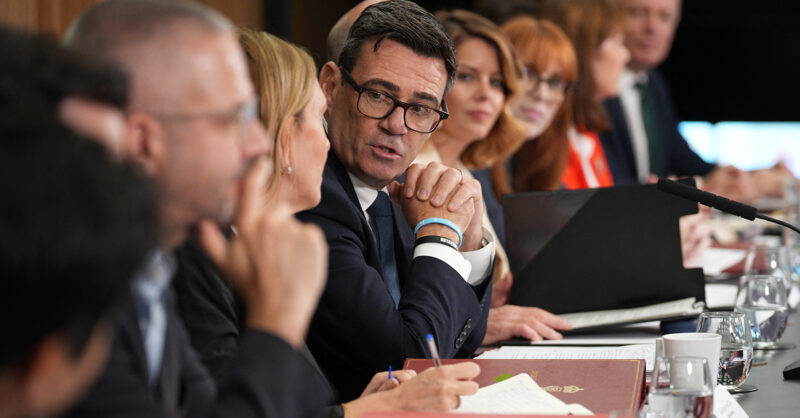
Prime Minister Andy Burnham has appointed Bridget Phillipson as Labour Party chair, tasking her with modernising the party alongside deputy leader Lucy Powell — a race she lost to Powell just months ago.
Phillipson, who also serves as minister for women and equalities, will work closely with Powell to prepare for the next general election. The two went head to head for the deputy leader position last year after Angela Rayner's resignation, with Powell winning 54% support from the party membership. Phillipson had been education secretary under Sir Keir Starmer, but Burnham handed that role to Powell when he appointed his cabinet last week.
“Burnham picks Phillipson as Labour chair; newly elected MSP Joe Fagan enters Scottish leadership race.”
Announcing the appointment, Burnham said Phillipson would help the party focus on preparations for a new digital campaigning environment. "She will play a vital role in ensuring the Labour Party is match fit for the next election," he said.
Phillipson replaces Anna Turley, who was made a minister in the Home Office last week. The leadership team, which also includes chief whip Anneliese Midgley, is expected to focus on culture change and building the infrastructure and policy platform needed by 2029 — the latest an election can be held.
In a post on X, Phillipson said she was honoured to take on the role. "I joined our party as a teenager and saw first hand the difference a Labour government makes," she wrote. "I'll work with members to build the election-winning machine that sees off Reform [UK] for good and secures a second Labour term."
Powell welcomed her, saying: "Working together, we will ensure the party continues to lead the way in campaigning, with the strongest ground operation in British politics as we prepare for the next general election."
While Burnham reshuffles his top team, a new leadership contest is brewing in Scotland. Joe Fagan, an MSP elected just two months ago, has announced he is running for Scottish Labour leader. Fagan has promised to “shake up” politics, arguing that his party will only be trusted when it is “rooted in communities.”