Nato allies have announced a £37bn ($50bn) project to develop a new long-range missile over the next decade, designed to strike targets up to 1,250 miles away with pinpoint accuracy. The Deep Precision Strike (DPS) programme, spearheaded by the UK, was unveiled at the Nato summit in Ankara and is intended to bolster European defences against an increasingly assertive Russia.
The DPS project involves at least 12 countries, including the UK, and is billed as one of Nato's most advanced weapons. It will be able to hit targets nearly 200 miles (300km) away, with the potential to extend to 1,250 miles – enough to strike deep into enemy territory. The system is not expected to be ready until the 2030s.
“Nato's £37bn Deep Precision Strike missile project explained, including costs, capabilities, and why the UK is leading it.”
The initiative comes amid heightened tensions between Nato and Russia. According to the UK government, Nato fighter jets have scrambled more than 700 times to intercept Russian aircraft approaching allied airspace, and Russian military activity around UK waters has surged by 30%. Prime Minister Sir Keir Starmer said the UK-led programme would "help bring European allies together to keep Nato safe for years to come". Foreign Secretary Yvette Cooper described it as "part of a recognition that we're in a more dangerous world".
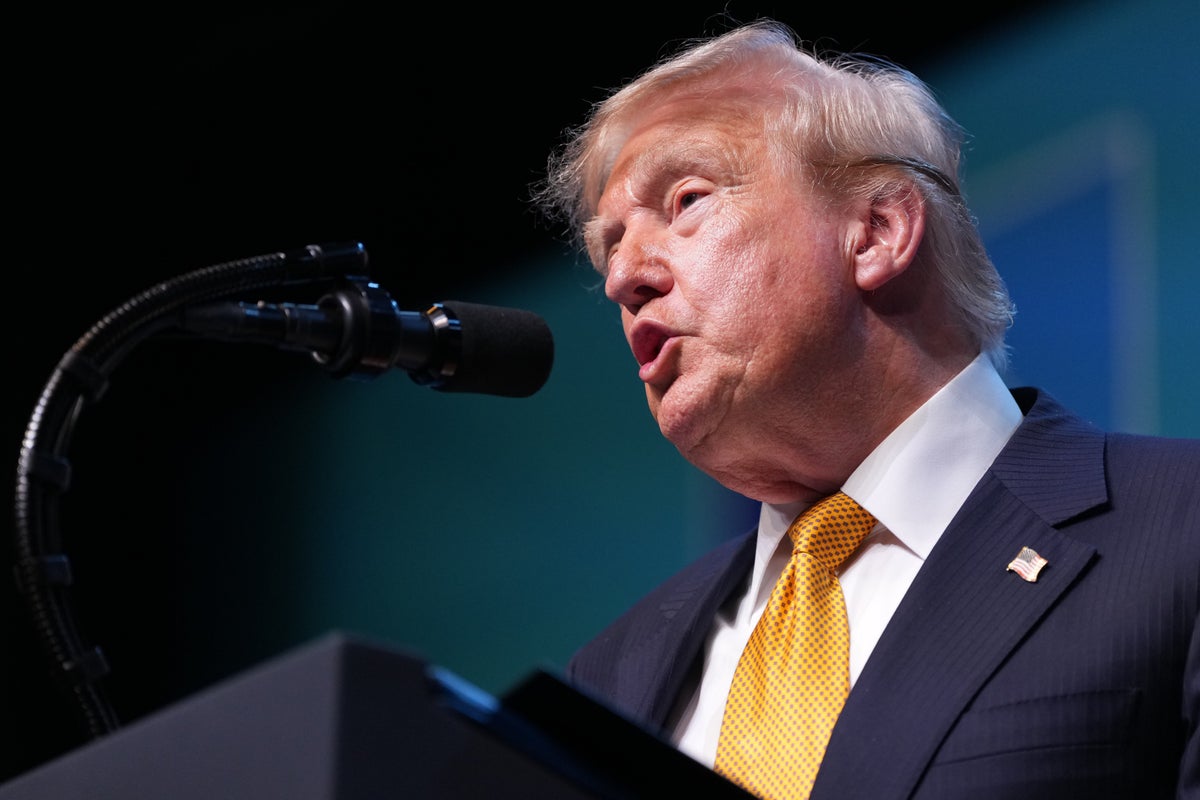
The push for new long-range firepower also reflects pressure from the United States. At last year's Nato summit, members agreed to spend 5% of GDP on defence by 2035. The UK has already committed £300bn by 2030 in its Defence Investment Plan, but currently sits 12th out of 32 Nato members on defence spending as a proportion of GDP – though it is second in real terms over the past decade. US President Donald Trump, who has repeatedly criticised allies for underfunding defence, thanked the UK for its material contribution at the Ankara summit.
For UK readers, the DPS project matters because it represents a major investment in national and European security. The UK is leading the programme, which could support jobs and expertise in the defence industry. It also signals a shift towards deeper European cooperation within Nato, as the alliance grapples with the challenge of rearming in the face of Russian aggression and potential shifts in US commitment. US Defence Secretary Pete Hegseth recently announced a six-month review of the presence of US forces in Europe, adding urgency to European efforts.
Q: What is the Deep Precision Strike project? It is a Nato initiative to develop a new long-range missile system, led by the UK. It will be capable of striking targets with high accuracy at distances of up to 1,250 miles, and is designed to deter aggression by hitting high-value military targets and logistical hubs.
Q: How much will it cost and who is paying? The 12 participating countries will spend more than £37bn ($50bn) over 10 years. The UK is playing a leading role, though specific national contributions have not been disclosed.
Q: When will it be ready? The system is not expected to be operational until the 2030s. It is one of several planned military projects in the pipeline.
Q: Why is the UK leading this project? The UK government sees it as a way to strengthen European defence within Nato. Sir Keir Starmer said the initiative would help deliver "a stronger, more European Nato". The UK has also committed £300bn to defence by 2030.
Q: How does this relate to Nato's defence spending targets? Nato members have agreed to spend 5% of GDP on defence by 2035. The UK is currently 12th out of 32 members on spending as a share of GDP, but second in real terms over the last decade. The DPS project is part of broader efforts to modernise European forces and meet those commitments.
What happens next? The project will be discussed further at the Nato summit in Ankara, where Sir Keir Starmer will convene around a dozen leaders. Detailed plans, including timelines and production contracts, are expected to be fleshed out in the coming years. The programme adds to ongoing debates about European defence autonomy and the future of Nato as the US reviews its force posture on the continent.