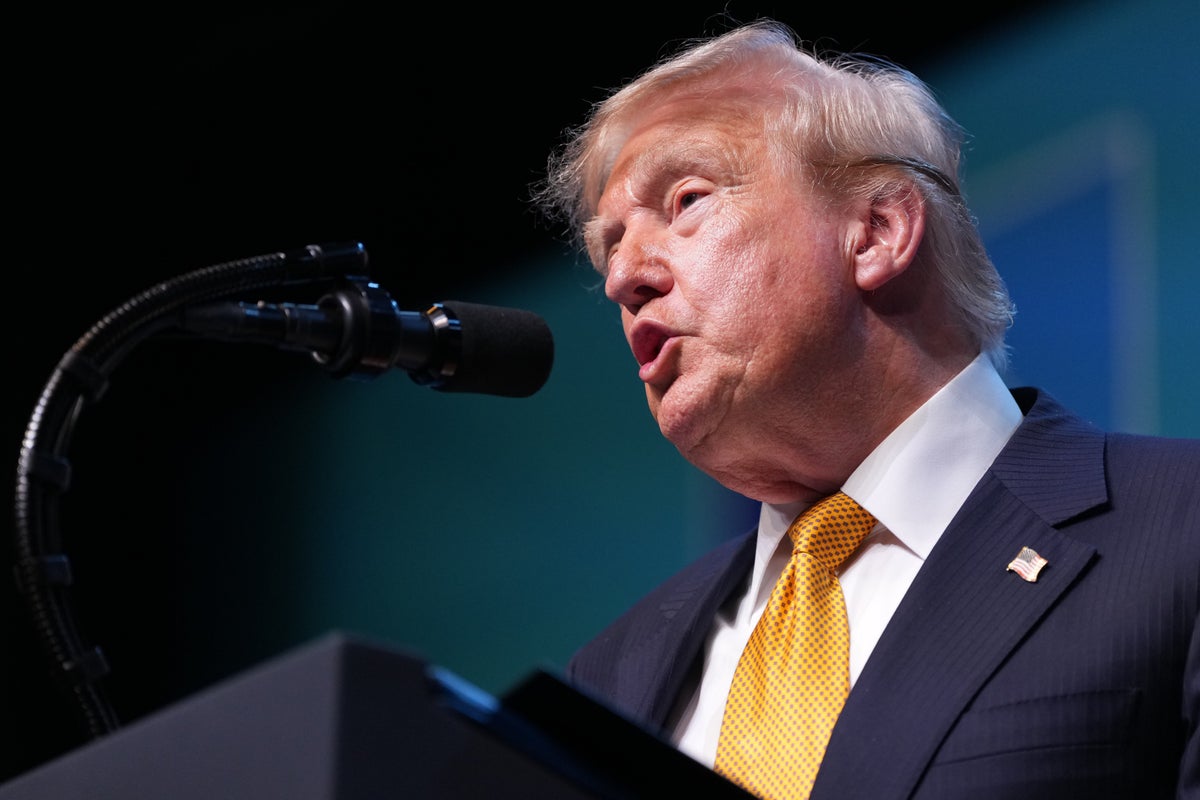
It was a summit where the US president threatened to cut off trade with Spain, berated allies over Greenland, and demanded more defence spending — yet European leaders shrugged and said they were ‘sick and tired of panicking about Trump’. The 2026 NATO summit in Ankara, Turkey, marked a turning point in the alliance’s relationship with Donald Trump: after years of fearing his tirades, European countries and Canada are now adopting a more measured approach, focusing on their own defence needs rather than trying to appease him. At the heart of this shift is a simple message: ‘We’re spending more on defence for us, not you,’ as Luxembourgish Foreign Minister Xavier Bettel put it.
NATO is a military alliance of 32 countries, founded in 1949 to guarantee the security of its members through collective defence. Article 5 of the treaty states that an attack on one member is an attack on all. Over the past year, the alliance faced unprecedented strain: Trump threatened to seize Greenland from Denmark, announced plans to withdraw thousands of US troops from Germany, and questioned NATO’s mutual defence pact. The war in Ukraine continues, with Russia’s offensive reaching Kyiv, and there are divisions over the US-Israel war in Iran, where a fragile ceasefire is collapsing. Against this backdrop, leaders gathered in Ankara for a two-day summit on 8 July 2026.
“How European NATO allies are shifting from appeasement to self-reliance in dealing with US President Donald Trump.”
The origins of the tension lie in Trump’s long-standing complaints that many NATO members fail to meet the target of spending 2% of GDP on defence. At the summit, he repeated these attacks, also criticising allies who didn’t help with Iran. But European leaders came prepared. They had already increased their own defence spending and approved a statement pledging to invest in new capabilities like drones, state that Iran must never acquire nuclear weapons, and showcase over $50 billion in new procurement deals — measures largely intended to address Trump’s demands. By the end, Trump called the summit ‘a great meeting’ and praised the ‘love’ between countries.
For UK readers, this matters because the UK is a key NATO member and relies on the alliance for its security. The shift in European strategy — from appeasement to self-reliance — means the UK, along with European allies and Canada, is taking more responsibility for its own defence. This could lead to stronger European defence cooperation, but also risks a deeper rift with the US if Trump continues to question NATO’s value. The UK’s defence spending is already above 2%, but any further US disengagement could force Britain to step up even more.
Q: Why did European allies stop panicking about Trump’s threats? European countries grew more confident after repeated experience with Trump’s bluster, which they now take in stride. They also increased their own defence spending, so his demands carry less weight. A senior NATO diplomat summed it up: ‘I’m sick and tired of panicking about Trump. We have to do this for ourselves.’
Q: What did Trump demand from NATO at the summit? Trump demanded that allies spend more on defence, particularly those below the 2% target. He also wanted help with the US-Israel war in Iran and criticised NATO over his desire for the US to acquire Greenland from Denmark. He threatened to cut off trade with Spain over its low defence spending.
Q: How did Ukraine feature at the summit? Ukraine’s president, Volodymyr Zelenskyy, held talks with leaders as he rallied European support against Russia’s war. The war has reached Kyiv, and NATO allies presented an increasingly united front against an unreliable US. The summit’s statement included measures to counter Russia, but the US position remains volatile.
What happens next? The alliance now faces the challenge of maintaining unity as Trump’s rhetoric continues. European leaders will push forward with their own defence investments, but the US remains the most powerful member. The war in Ukraine and the Iran conflict will test NATO’s cohesion further. No date is set for the next summit, but the shift in European attitude is likely to persist.