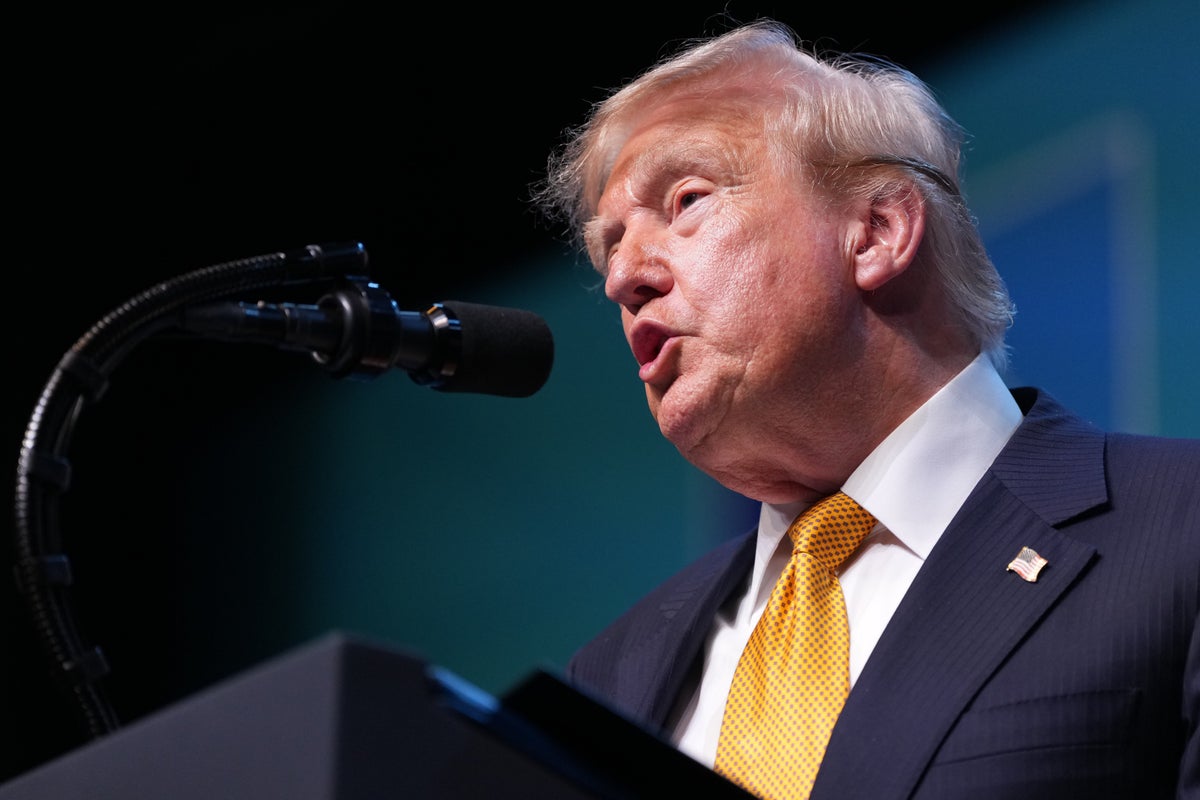
During a press conference at a NATO summit in Ankara, US President Donald Trump turned to his Treasury Secretary and ordered an immediate halt to all trade with Spain — a fellow NATO ally — over its refusal to meet defence spending demands and its stance on the Iran war. The order, which came during a 40-minute press conference, was the latest escalation in a long-running dispute between Trump and Spain, which he called a "terrible partner." Spanish Prime Minister Pedro Sanchez played down the rift, calling his conversation with Trump "very cordial," but the trade halt raised alarm across Europe.
What exactly happened? Trump, alongside officials including Defense Secretary Pete Hegseth and Secretary of State Marco Rubio, lashed out at Spain during the summit. He told NATO Secretary General Mark Rutte, "Spain doesn't agree to anything, and you shouldn't carry them." Rutte tried to ease tensions, noting Spain had made "a huge step last year" by raising its defence spending to 2% of GDP, but acknowledged "there are still issues we have to solve." Trump then turned to Treasury Secretary Scott Bessent and said, "I don't want to do any trade with them, alright?" Bessent replied, "Yes, sir." Trump added, "Don't even talk to them. They're hopeless. They're bad people." This is the second time Trump has instructed Bessent to halt commerce with Spain over its refusal to commit to NATO's new defence spending target of 5% of GDP; after his first such promise in March, trade continued normally.
“Why Trump halted trade with Spain and what it means for NATO and the UK.”
The background to this dispute lies in NATO's long-standing requirement that members spend at least 2% of their GDP on defence. The US, under Trump, has pushed for a new target of 5%, which many allies have resisted. Spain, a Socialist-led minority government under Sanchez, raised its spending to 2%, but refused to go further and also denied the US use of its airspace or bases for the war with Iran. Trump has repeatedly expressed frustration with Spain over both issues. Meanwhile, during the same press conference, Trump bashed MS NOW (formerly MSNBC) as a "failing network" and asked its correspondent, "Why would you want to work for them?" He also praised the UK and Italy, saying Italy has been "good" and the UK "just had a bad moment" over Iran, but accused UK officials of saying they'd "want to wait until the war is over" to help.
For UK readers, this matters because it shows how Trump is willing to use trade as a weapon to enforce NATO defence spending, even against long-standing allies. The UK, while praised by Trump, still faces potential pressure to meet higher spending targets. The UK's trade relationship with the US could be affected if it does not align with US defence priorities. Additionally, the episode highlights the fragility of NATO unity and the unpredictability of US foreign policy under Trump, which has direct implications for UK security and economic ties.
Q: Why did Trump halt trade with Spain? Trump ordered an immediate halt to all US trade with Spain because Spain refused to commit to a new NATO defence spending target of 5% of GDP and denied the US use of its airspace and bases for the Iran war. He called Spain a "terrible partner."
Q: What is NATO's defence spending target? NATO members previously agreed to spend at least 2% of their GDP on defence. Trump has been pushing for a new target of 5%, which many allies have not accepted. Spain recently raised its spending to 2%, but Trump called that insufficient.
Q: How did the UK respond to the Iran war? According to Trump, UK officials said they would "want to wait until the war is over" to help, which Trump said was "not in the spirit of Winston Churchill." However, he later said the UK "just had a bad moment" and was overall a good ally.
What happens next? The trade halt order is immediate, but it is unclear whether it will be enforced as strictly as Trump stated. Spain's Prime Minister Sanchez insisted that economic ties are forged by private companies and that EU customs rules prevent singling out member states. Further NATO summits and bilateral talks may clarify whether other allies face similar pressure. The UK, having received mixed signals, will be watching closely as it navigates its own relationship with the Trump administration.