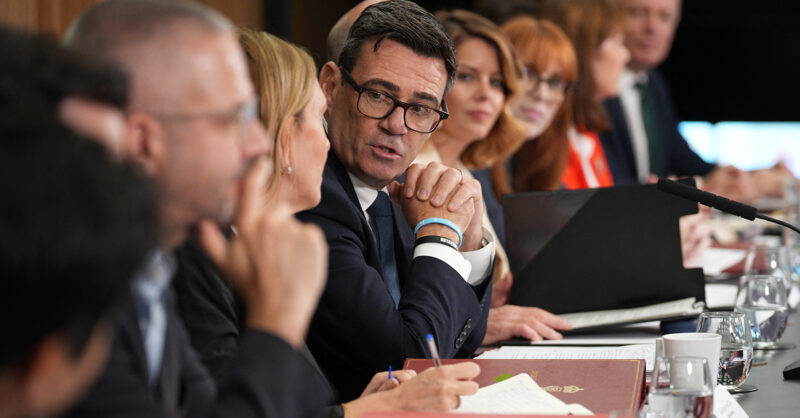
More than two million older people in England are missing out on social care, struggling with daily tasks like eating, dressing and bathing, according to Age UK. Now Prime Minister Andy Burnham says he will use “whatever political capital I have” to fix the system – and one option being considered is a new tax on workers.
The proposal, drawn up by civil servants at the Department for Health and Social Care, would see a 1.8% levy on earnings above £6,240 for workers aged 34 and over. The money would go into a privately managed fund that individuals could draw on to pay for their care in later life. The plan could fund a new care system costing £18bn a year.
“Workers over 34 may pay a 1.8% levy to fund a £18bn social care system; political debate intensifies.”
The social care system in England has been described as a crisis for years. Burnham first proposed a universal system in 2009 when he was health secretary. Since then, Boris Johnson promised to “fix the crisis once and for all” in 2019, and Keir Starmer scrapped plans for an £86,000 cap on care costs in 2024. No government has achieved lasting reform. Burnham, who became prime minister in July 2026, has made social care a top priority.
For UK readers, the implications are direct. The levy would mean an extra £788 a year for someone earning £50,000, and £1,327 for someone earning £80,000. Unlike National Insurance, which funds current spending, the new fund would be invested for the future. Wealthier elderly people would also contribute between 10% and 45% of their own costs, depending on their assets. The alternative being considered is a “pay-as-you-go” model like Germany’s, where working-age people fund current care. Germany uses a similar 1.8% rate.
Q: What is the proposed social care tax? The tax is a 1.8% levy on income above £6,240, paid by workers over 34. It would fund a new, privately managed social care system costing £18bn a year. The money would be invested and used for the worker’s own care in old age.
Q: How much would I pay under the social care tax? Someone earning £50,000 would pay an extra £788 a year; someone earning £80,000 would pay an extra £1,327. The levy would only apply to earnings above £6,240 and only to those aged 34 and over.
Q: Will the social care tax actually happen? No decision has been taken. Conservative leader Kemi Badenoch has written to Burnham demanding he rule out any tax rises or increased borrowing, offering to work with him only if reform is funded by cutting existing spending. Burnham is expected to make a major speech on social care this week. Liberal Democrat leader Ed Davey has called for an end to the “social care catastrophe”. The political obstacles are significant.
What happens next: Burnham will deliver his social care speech this week, setting out his strategy. He has invited Badenoch and Davey to cross-party talks. But with Badenoch insisting on no new taxes and the Treasury reportedly concerned about borrowing, the path to reform remains uncertain. Officials have developed several funding models, but the PM has not chosen one yet.