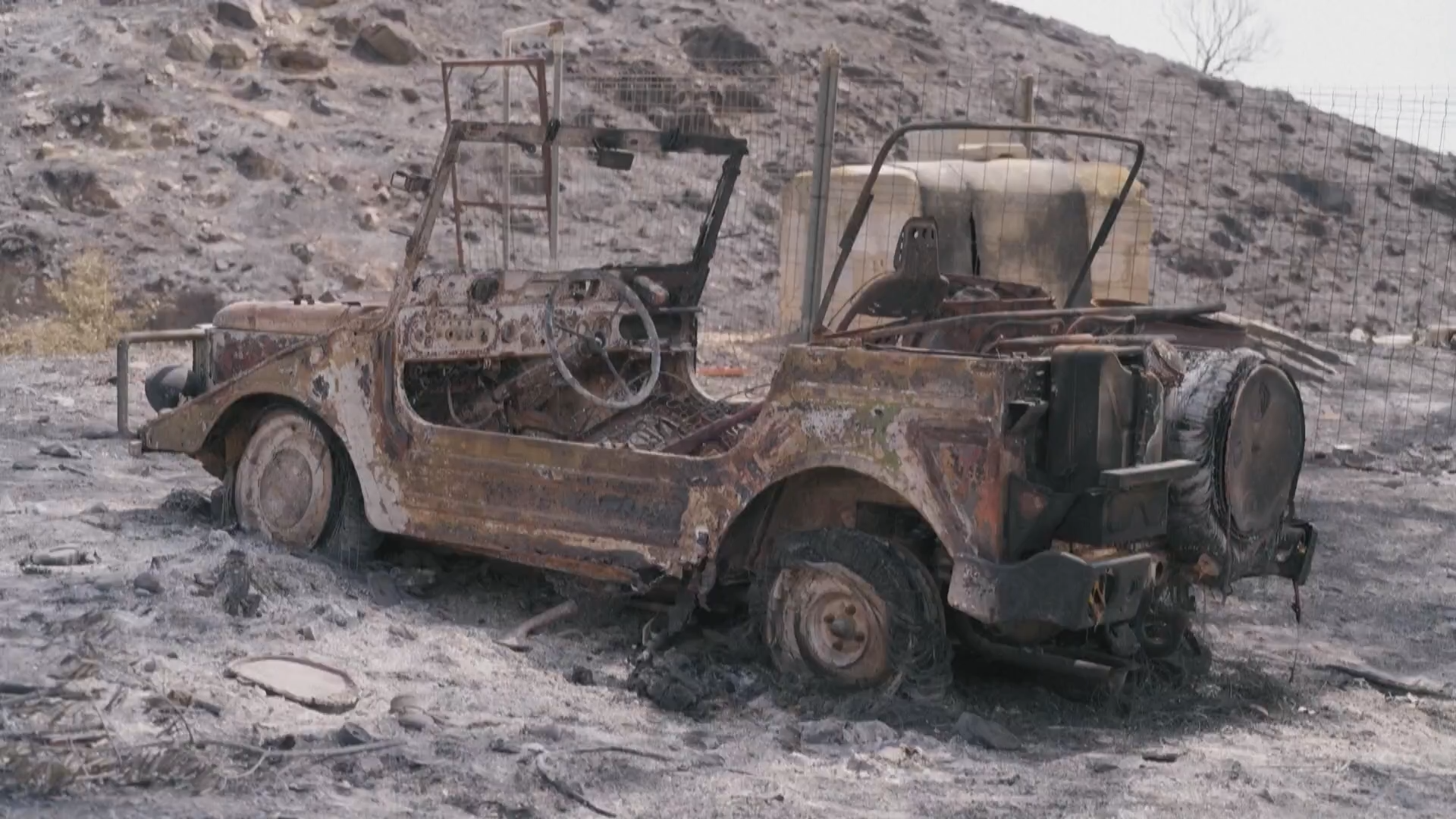
A 93-year-old British woman died in hospital after suffering burns to 20 percent of her body, becoming the 13th victim of wildfires that swept through southern Spain in July 2026. Her death, alongside four bodies found in a burnt-out vehicle with a right-hand steering wheel, has highlighted the deadly threat that Mediterranean wildfires pose to British holidaymakers.
The fires began in Los Gallardos, Almería, in the Andalusia region, tearing through 17,300 acres since Friday. At least 12 victims are believed to be mainly British or Belgian nationals, with one Spaniard also among the dead. A British couple on a hike in Bedar was found alive but critically injured in a ravine, suffering burns to 40 percent of their bodies. Civil Guard officers discovered them after hearing cries for help, describing their effort to call out as a "titanic effort" given their injuries. DNA tests are ongoing in Madrid to confirm identities, and at least 23 people remain missing.
“Why Spanish wildfires pose a deadly risk to British holidaymakers and how to stay safe.”
Wildfires are a recurring summer hazard in southern Europe, driven by hot, dry conditions and often exacerbated by climate change. The UK's Foreign, Commonwealth and Development Office (FCDO) regularly issues travel alerts when fires break out, advising Brits in affected areas to follow local instructions, avoid forested regions, and stay informed. In this case, the FCDO provided a dedicated phone number (+34 677 904 624) for those concerned about someone in the area, with English-speaking staff available.
For UK readers, the risk is real: Spain is the most popular overseas destination for British tourists, with millions visiting each year. Wildfires can erupt rapidly, trapping people who are hiking, driving, or staying in rural villas. The FCDO's advice includes monitoring local media, heeding evacuation orders, and registering with the consulate if necessary. The 93 year old victim had pre-existing medical conditions but her burns were severe; the hiking couple survived only because rescue teams listened to their gut feeling and searched a second time. These cases underscore the importance of staying vigilant and prepared.
Q: Are British tourists often caught in Spanish wildfires? Yes. Spain's wildfires frequently affect areas popular with British tourists, such as Andalusia, Costa del Sol, and the Balearic Islands. In July 2026, most victims were foreign nationals, many believed to be British. The FCDO updates its travel advice when fires pose a threat.
Q: What should I do if I'm in Spain during a wildfire? The FCDO advises following local authorities' instructions, avoiding affected areas, and staying indoors with windows closed if smoke is present. If told to evacuate, leave immediately. Register with the consulate for updates, and call the emergency number 112.
Q: How can I get help for a loved one caught in a Spanish wildfire? The FCDO provides a support line: +34 677 904 624 (English-speaking staff) for those worried about someone in the area. For consular assistance in Spain, call +34 917 146 300; from the UK, call +44 (0)20 7008 5000.
What happens next depends on weather and firefighting efforts. The death toll may rise as searches continue and DNA tests confirm identities. The FCDO will update its travel advice as the situation evolves. For now, Brits planning trips to southern Spain should check the latest guidance before travelling.