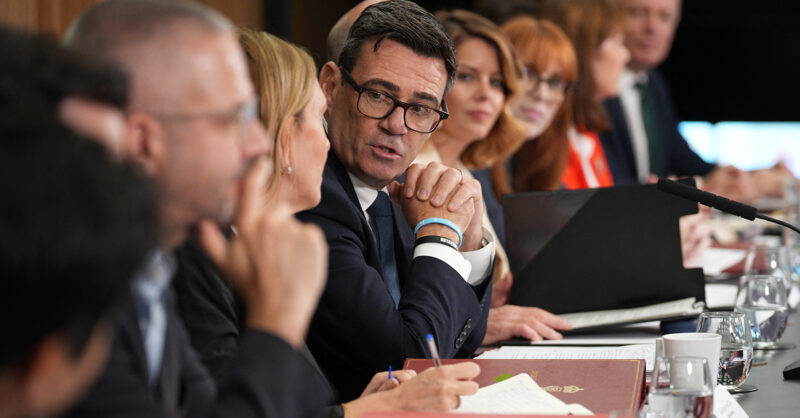
Prime Minister Andy Burnham has warned that the NHS “will collapse” without major reform of England’s social care system – a stark assessment from a leader who has made fixing the “broken” sector a central promise of his premiership.
Adult social care provides practical support to help people live independently, from help getting dressed and cooking meals to residential care homes. Unlike the NHS, it is not free at the point of use. In England and Northern Ireland, anyone with savings above £23,250 must pay for their own care – a means test that can force families to sell homes or drain life savings. One in seven people now pays more than £100,000 for care, according to the King’s Fund think tank.
“The UK's social care system is in crisis, with PM Burnham warning the NHS will collapse without reform. This explainer covers what you need to know.”
The crisis is not new. Governments have tried and failed to reform social care for decades. In 2009, when Burnham was health secretary under Gordon Brown, he proposed a universal system funded by a compulsory levy – a plan that was shelved after the Tories branded it a “death tax”. Similar efforts under David Cameron and Theresa May also stalled. Now Burnham, as prime minister, says he will put “everything I’ve got” into delivering “substantial change”, though he has refused to put a timeline on it.
For UK readers, the stakes are immediate. If you or a family member need care, you could face ruinous costs. The alternative – relying on a strained NHS – puts extra pressure on hospitals and waiting lists. Councils also feel the squeeze: rising social care bills push up council tax and drain local budgets. Burnham has floated cross-party talks, inviting Tory leader Kemi Badenoch and Liberal Democrat leader Ed Davey to collaborate. But Badenoch has insisted no tax rises or borrowing should fund reform, saying “the money must be found by reducing current spending”.
Q: What is adult social care? It covers non-medical support for older people, disabled people, and those with long-term conditions – including help at home, day centres, and residential care. The state only pays if you have assets below a certain threshold; otherwise, you fund it yourself.
Q: How does the means test work? In England, if you have savings or assets worth more than £23,250 (including the value of your home unless a relative lives there), you are not entitled to council-funded care. Below that, the council may contribute, but charges apply based on income.
Q: What is the “death tax” and would it affect me? Reform UK and the Conservatives have warned that Burnham’s plan could be funded by a levy on estates after death – effectively a tax on inheritance. Reform claims it could cost the average mortgage-free homeowner in England and Wales £74,737. Burnham has not ruled it out, but has not announced any detail.
Burnham is due to give a major speech on Wednesday. He is expected to speed up the independent Casey Commission, led by Baroness Louise Casey, which is drawing up proposals for a potential National Care Service. The commission was due to report by 2028, but the PM wants its recommendations sooner. A public consultation, called the Big Conversation on Care, has also been launched. Until political parties agree on how to pay for it, the crisis – and the risk to the NHS – will only grow.